
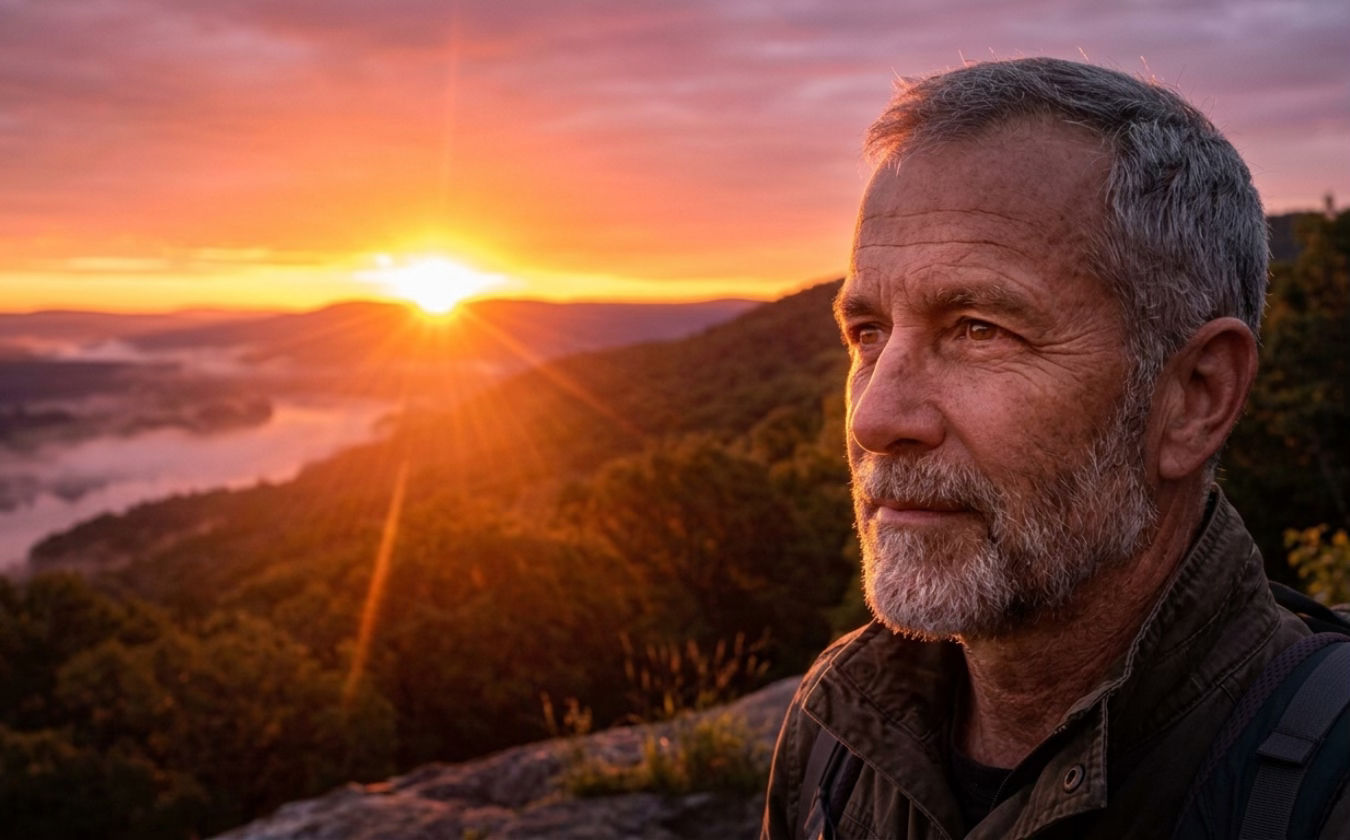
03/27/26 Setting Our Face Toward Jerusalem

Takeaway: Repentance leads us toward the cross.
“When the days drew near for him to be taken up, he set his face to go to Jerusalem.” — Luke 9:51
Opening Prayer
Gracious God, give me courage to follow where You lead, even when the road is costly. Amen.
Reflection
There is a quiet but monumental moment in the gospel. The miracles do not cease, the crowds do not disappear, and the disciples do not suddenly understand, but Jesus changes direction with steadfast purpose. “When the days drew near for him to be taken up, he set his face to go to Jerusalem.” Luke is not merely stating a travel note. It is a declaration. A moment of complete resolve.
To “set one’s face” is not casual language. It carries the weight of determination, the kind of determination that has already counted the cost and chosen the path anyway. Jesus is not wandering toward Jerusalem; He is aiming Himself toward it. He is not stumbling into suffering; He is stepping into it with eyes wide open. The cross is no accident. It was the goal.
Jesus’ decision in Luke 9:51 reveals a dynamic duality in meaning. He turns toward Jerusalem, knowing it holds rejection, betrayal, suffering, and death. Yet He also knows it holds obedience, redemption, glory, and resurrection. The cross is both agony and triumph. Repentance mirrors this paradox. When we turn toward Christ, we do not walk into comfort first, we walk into surrendering our life. We lay down pride, control, self-will. We release the narratives we have built to protect ourselves. We relinquish the illusions that we can save ourselves. This is why repentance often feels like loss before it feels like life.
To set our face toward Jerusalem is to accept that following Jesus will cost us something. It may cost us our reputation, our sense of independence, our perceived identity. It may ask us to forgive when we want to hold resentment, or to trust when we crave certainty. But in that cost is the hidden moment of transformation.
Jesus’ resolve in this passage is striking because it is steady. There is no visible struggle here, no recorded hesitation. The agony will come later in Gethsemane, but here there is only clarity. He knows where He is going. There is something deeply revealing in His resolve for our own spiritual lives. Many of us live in a constant state of spiritual hesitation. We want to follow Jesus, but we also want to keep our options open. We want transformation, but without too much disruption. We want grace, but not always the cross-shaped life that comes with it. Repentance invites us to have similar resolve as Jesus.
To repent is to become resolved in how we want to live. It is a reorientation of the whole self: mind, heart, and will.
The cross is not only the place where Jesus died, but the place from which we live. To set our face toward Jerusalem is to make the cross our true north. It becomes the place we orient ourselves toward again and again. When we are confused, we look to the cross. When we are tempted, we look to the cross. When we are weary, we look to the cross. Why? Because the cross reveals both the seriousness of sin and the depth of God’s love.
Repentance lives in that tension. We turn away from sin because we see its weight. We turn toward Christ because we see His grace. And as we do, something remarkable happens: the cross, which once felt like a place of death, becomes a place of life. It becomes the place where we are freed, forgiven, and made new.
Luke 9:51 points us toward Jerusalem, but it does not end there. The cross is not the final destination. Resurrection is. Jesus sets His face toward suffering, but He also knows that beyond the cross lies glory. Beyond death lies life. Beyond surrender lies victory. This is what gives repentance its hope. We do not turn toward the cross because we love suffering, we turn toward it because we trust what lies beyond it. We believe that God brings life out of death, healing out of brokenness, redemption out of failure. Every act of repentance is an act of hope. It declares that our story is not finished, that God is still at work, that transformation is possible.
Question
What fears or hesitations keep you from fully “setting your face” toward Jesus?
Final Thought
Repentance is not merely leaving something behind, it is moving toward Someone who has already gone ahead of you.


Comments